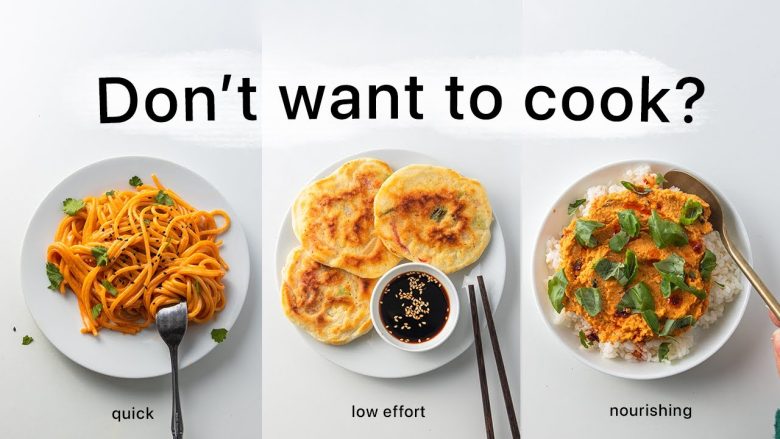
A while ago, I went through a period where I simply didn’t feel like eating. It wasn’t that food tasted bad—I just had no appetite.
Some days I would skip meals without realizing it. Other days I would sit with a full plate and feel overwhelmed by the idea of finishing it.
Eventually, the lack of food started affecting my energy. I felt tired, unfocused, and irritable. That’s when I realized something important: even when appetite is low, the body still needs nourishment.
The solution wasn’t forcing large meals. Instead, I learned to prepare small, gentle, easy-to-eat recipes that required minimal effort and didn’t feel heavy.
If you’re struggling with low appetite—because of stress, illness, fatigue, or busy days—this guide will show you simple recipes and strategies that make eating easier and more comfortable.
Why Low Appetite Happens
Loss of appetite is more common than many people realize.
It can happen because of:
-
Stress or anxiety
-
Illness or recovery
-
Fatigue or poor sleep
-
Medication side effects
-
Digestive discomfort
-
Busy or irregular schedules
When appetite drops, the key is not forcing large meals.
Instead, focus on light, nourishing foods that are easy to eat and digest.
Step-by-Step Approach to Eating With Low Appetite
Before jumping into recipes, these simple strategies help make meals easier.
1. Eat Smaller Portions More Often
Large meals can feel overwhelming. Smaller portions every 2–3 hours are often easier to manage.
2. Choose Soft, Simple Foods
Soft textures and mild flavors tend to be more appealing when appetite is low.
3. Add Nutrient-Dense Ingredients
Even small meals should contain energy and nutrients. Ingredients like yogurt, eggs, nuts, and healthy oils help.
4. Keep Preparation Simple
When appetite is low, complicated cooking can feel exhausting.
Quick recipes make it easier to stay consistent.
Easy Low Appetite Recipes That Are Gentle and Nourishing
1. Creamy Banana Yogurt Bowl
This recipe became my go-to breakfast when I didn’t feel like eating much.
Ingredients
-
1 ripe banana
-
1 cup plain yogurt
-
1 teaspoon honey
-
A small handful of oats or granola
How to Prepare
-
Slice the banana into a bowl.
-
Add yogurt on top.
-
Drizzle with honey.
-
Sprinkle oats or granola.
Why It Works
-
Soft texture
-
Mild sweetness
-
Easy digestion
-
Provides protein and energy
Even small portions can feel satisfying without being heavy.
2. Simple Egg and Toast Plate
Eggs are one of the easiest ways to add nutrition when appetite is low.
Ingredients
-
1 or 2 eggs
-
1 slice whole-grain toast
-
A small amount of butter or olive oil
-
Pinch of salt and pepper
Instructions
-
Cook eggs scrambled or soft-boiled.
-
Toast the bread.
-
Spread a little butter or olive oil on the toast.
-
Serve with eggs.
Why It Helps
Eggs provide protein and essential nutrients in a small portion.
3. Light Vegetable Soup
Warm soup can be comforting when solid foods feel unappealing.
Ingredients
-
1 cup vegetable broth
-
Chopped carrots
-
Chopped zucchini
-
Small handful of noodles or rice
-
Pinch of salt
Instructions
-
Bring broth to a gentle boil.
-
Add vegetables and noodles.
-
Cook for 10 minutes until soft.
Why It Works
Soup is:
-
Hydrating
-
Easy to digest
-
Mild in flavor
-
Easy to sip slowly
4. Peanut Butter Banana Smoothie
When eating feels difficult, drinking calories can help.
Ingredients
-
1 banana
-
1 tablespoon peanut butter
-
1 cup milk or plant milk
-
1 teaspoon honey (optional)
Instructions
-
Add all ingredients to a blender.
-
Blend until smooth.
Benefits
This smoothie provides:
-
Protein
-
Healthy fats
-
Natural sweetness
-
Quick energy
5. Rice with Soft Scrambled Eggs
This simple meal is comforting and easy to digest.
Ingredients
-
1 cup cooked rice
-
1 egg
-
Small amount of butter or oil
-
Pinch of salt
Instructions
-
Cook scrambled eggs softly.
-
Mix them into warm rice.
-
Add a little butter or oil.
Why It Helps
Warm, soft foods are often easier to eat when appetite is low.
Practical Tips for Eating When Appetite Is Low
Over time, I discovered a few habits that make eating easier during low-appetite periods.
Eat When Hunger Appears
Even small hunger signals matter.
If you suddenly feel slightly hungry, take the opportunity to eat something small.
Keep Easy Snacks Nearby
Quick foods help when cooking feels difficult.
Examples include:
-
Yogurt
-
Fruit
-
Nuts
-
Smoothies
-
Crackers
Focus on Comfort Foods
Familiar foods are often easier to eat than unfamiliar dishes.
Avoid Very Heavy Meals
Large, rich meals can feel overwhelming and reduce appetite further.
Light meals work better.
Common Mistakes People Make With Low Appetite
Understanding these mistakes can make recovery easier.
Skipping Meals Completely
Skipping meals may worsen fatigue and reduce appetite even more.
Small snacks are better than nothing.
Drinking Too Much Caffeine
Coffee can suppress appetite, especially on an empty stomach.
Waiting Until Extremely Hungry
When hunger becomes too strong, it may lead to discomfort rather than appetite.
Regular small meals help prevent this.
Choosing Only Sugary Foods
Sugary snacks may provide quick energy but lack balanced nutrition.
Combine carbohydrates with protein when possible.
Example: A Simple Low Appetite Meal Plan
Here’s an example of how small meals might look throughout the day.
Morning
Banana yogurt bowl
Midday
Vegetable soup with toast
Afternoon snack
Peanut butter smoothie
Evening meal
Rice with scrambled eggs
Small meals like these keep energy stable without feeling overwhelming.
Frequently Asked Questions (FAQs)
1. What foods are easiest to eat when you have no appetite?
Soft foods like yogurt, smoothies, soup, eggs, and rice are usually easier to eat and digest.
2. Can smoothies help with low appetite?
Yes. Smoothies are often easier to consume than solid meals and can provide calories, protein, and nutrients.
3. Should I force myself to eat when I’m not hungry?
Instead of forcing large meals, try small portions or snacks that are gentle and appealing.
4. How often should I eat with low appetite?
Eating small meals every 2–3 hours can help maintain energy levels.
5. When should I seek medical advice for loss of appetite?
If appetite loss lasts for several weeks, leads to significant weight loss, or is accompanied by other symptoms, consulting a healthcare professional is recommended.
Conclusion: Small, Simple Meals Can Make a Big Difference
Low appetite can make eating feel like a challenge, but nourishing your body doesn’t require large meals or complicated recipes.
Simple, gentle foods—like smoothies, soups, yogurt bowls, and eggs—can provide the nutrition your body needs without feeling overwhelming.
What helped me most was changing my mindset: instead of trying to eat full meals, I focused on small, consistent nourishment throughout the day.
With the right approach, even low-appetite days can include meals that support energy, comfort, and overall well-being.
Start small, stay patient with yourself, and remember that every small bite helps your body recover and stay strong.