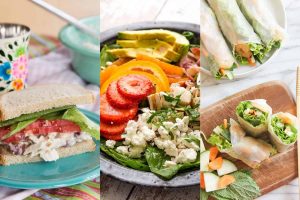
Cooking at home doesn’t always require an oven. Whether your oven is broken, your kitchen is small, the weather is too hot, or you simply want faster and easier meals, there are countless dishes you can prepare without baking. In fact, many everyday meals around the world are cooked using stovetops, refrigeration, steaming, or even no heat at all.
Learning how to prepare meals without baking is not just convenient — it’s a smart, flexible way to cook. It saves time, reduces energy use, and makes meal preparation accessible for students, busy families, and anyone with limited kitchen equipment. From quick breakfasts and satisfying lunches to full dinners and refreshing cold dishes, no-bake meals can be nutritious, filling, and full of flavor.
In this complete guide, you’ll discover practical meal ideas, step-by-step preparation methods, essential ingredients, and expert tips to help you cook confidently without ever turning on an oven.
Why Cook Meals Without Baking?
Before exploring meal ideas, it’s helpful to understand why non-baked cooking methods are so popular and practical.
They save time. Baking often requires preheating and long cooking times. Many no-bake meals are ready in minutes.
They reduce heat in the kitchen. This is especially helpful in warm climates or small living spaces.
They require fewer tools. Many meals only need a pan, pot, or mixing bowl.
They’re energy-efficient. Using a stovetop or preparing cold meals can reduce electricity usage.
They’re beginner-friendly. No need to manage precise oven temperatures or baking times.
For anyone seeking simple, practical cooking solutions, no-bake meals offer flexibility without sacrificing taste or nutrition.
Essential Cooking Methods That Don’t Require Baking
Understanding these basic cooking techniques helps you prepare a wide variety of meals.
Stovetop Cooking
Food is prepared using pans or pots over direct heat. Common methods include sautéing, boiling, simmering, and frying.
Steaming
Food cooks using hot steam instead of dry heat. This method preserves nutrients and natural flavors.
No-Cook Assembly
Meals are prepared entirely from ready-to-eat or fresh ingredients without heating.
Refrigeration or Chilling
Some meals set or develop flavor when chilled, such as salads or layered dishes.
Mastering these techniques opens up endless meal possibilities.
Quick Breakfast Meals Without Baking
Starting your day doesn’t require an oven. These breakfast options are nutritious and fast.
Overnight Oats
Mix oats with milk or yogurt, add fruit and nuts, and refrigerate overnight.
Steps:
- Combine oats and liquid in a jar.
- Add sweetener or fruit if desired.
- Refrigerate overnight.
- Stir and eat cold or warm on stovetop.
Yogurt Fruit Bowl
Layer yogurt with granola, seeds, and fresh fruit for a balanced meal.
Scrambled Eggs or Omelette
Cook in a pan for a protein-rich breakfast.
Peanut Butter Banana Toast
No cooking needed — simple, filling, and energizing.
These meals are ideal for busy mornings and require minimal effort.
Easy Lunch Ideas Without Baking
Midday meals should be quick, satisfying, and energizing. These options work perfectly.
Fresh Vegetable Wraps
Use flatbread or tortillas filled with vegetables, spreads, and protein.
Pasta Salad
Boil pasta on the stovetop and mix with vegetables, olive oil, and herbs.
Chicken or Tuna Salad
Combine cooked protein with mayonnaise, yogurt, or dressing.
Stir-Fried Rice
Use leftover rice and sauté with vegetables and eggs in a pan.
These meals are convenient, customizable, and perfect for work or home.
Hearty Dinner Meals Without Baking
You can prepare complete, comforting dinners without ever using an oven.
Stir-Fry Meals
Vegetables, noodles, or meat cooked quickly in a hot pan.
Steps:
- Heat oil in a pan.
- Add chopped vegetables or protein.
- Stir continuously over high heat.
- Add sauce and cook briefly.
- Serve hot.
One-Pot Rice Dishes
Cook rice with vegetables, spices, and protein in a single pot.
Soups and Stews
Simmer ingredients in broth until tender and flavorful.
Pan-Seared Fish or Chicken
Cook protein directly in a skillet for a crisp exterior.
These meals are filling, nutritious, and require simple equipment.
No-Cook Meals for Maximum Convenience
Sometimes you want meals that require zero cooking. These options are refreshing and fast.
Fresh Salads
Combine leafy greens, vegetables, nuts, and dressing.
Sandwiches and Wraps
Layer protein, spreads, and vegetables between bread or wraps.
Cold Grain Bowls
Use pre-cooked grains mixed with vegetables and sauces.
Smoothie Bowls
Blend fruits and yogurt, then add toppings.
No-cook meals are ideal during hot weather or when time is limited.
Healthy Meal Options Without Baking
Cooking without an oven can still support balanced nutrition.
- Steamed vegetables with lean protein
- Grilled or pan-cooked chicken with salad
- Lentil soup or bean stew
- Vegetable stir-fry with brown rice
- Fresh fruit and yogurt combinations
Focus on whole ingredients, balanced portions, and minimal processing.
Essential Ingredients for Non-Baked Meals
Keeping these ingredients stocked makes meal preparation easier:
Grains: rice, pasta, oats
Proteins: eggs, beans, lentils, chicken, fish
Vegetables: fresh or frozen
Healthy fats: olive oil, nuts, seeds
Flavorings: herbs, spices, sauces
With these basics, you can prepare hundreds of meals quickly.
Time-Saving Meal Preparation Tips
Efficient cooking makes daily meals stress-free.
Batch cook grains and proteins. Store in refrigerator for quick use.
Pre-cut vegetables. Keep them ready for salads and stir-fries.
Use one-pot meals. Reduce cooking time and cleanup.
Plan simple combinations. Protein + grain + vegetable = balanced meal.
Smart planning reduces effort while maintaining variety.
Common Challenges and Solutions
Meals Taste Bland
Use herbs, spices, and sauces to enhance flavor.
Food Cooks Unevenly
Cut ingredients into similar sizes.
Limited Equipment
Choose simple recipes requiring only one pan or pot.
Not Filling Enough
Add protein and healthy fats for satiety.
These adjustments help improve meal quality and satisfaction.
Food Safety and Storage Guidelines
Proper handling keeps meals safe and fresh.
- Refrigerate cooked food promptly
- Store leftovers in sealed containers
- Consume within 3–4 days
- Reheat thoroughly on stovetop
- Wash fresh produce before use
Good storage habits prevent waste and maintain quality.
Frequently Asked Questions
1. Can I cook full meals without an oven?
Yes. Many complete meals use stovetop cooking, steaming, or no heat at all. Rice dishes, stir-fries, soups, and salads are common examples.
2. What is the easiest meal to make without baking?
Stir-fry meals, sandwiches, pasta salad, and omelettes are among the simplest and quickest options.
3. Are no-bake meals healthy?
They can be very healthy if you use fresh vegetables, lean proteins, and whole grains. Cooking method matters less than ingredient quality.
4. What equipment do I need for no-bake cooking?
Basic tools include a pan, pot, knife, cutting board, and refrigerator. Most meals require minimal equipment.
5. How do I add variety to no-bake meals?
Rotate ingredients, try different sauces, experiment with spices, and combine different textures.
Conclusion
Preparing meals without baking is practical, flexible, and surprisingly easy. With simple cooking methods like stovetop preparation, steaming, or no-cook assembly, anyone can create delicious and nutritious meals at home. From quick breakfasts and refreshing salads to hearty stir-fries and comforting soups, non-baked meals offer endless variety. They save time, reduce energy use, and make cooking accessible even with limited equipment. By keeping essential ingredients stocked and following basic preparation techniques, you can cook confidently every day. No oven doesn’t mean fewer choices — it means smarter, more efficient cooking. With creativity and simple planning, preparing satisfying meals without baking can become an enjoyable and reliable part of your daily routine.