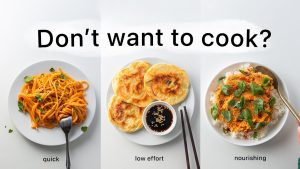
Low appetite days can make even your favorite foods seem unappealing. You may open the fridge, feel slightly hungry, but lose interest the moment you see a full plate. This is a common experience. The problem is not always the food itself — it’s often the portion size.
Large meals can feel physically and mentally overwhelming when appetite is low. That’s where small portion meals become helpful. Eating smaller amounts more frequently can make food feel manageable, reduce pressure, and support steady energy throughout the day.
In this article, you’ll learn exactly why small portion meals help low appetite, how they work, and how to apply this approach in practical, realistic ways.
Large Portions Can Reduce Appetite Even More
The Psychological Effect of a Full Plate
When appetite is low, a large serving of food can look intimidating. Your brain may interpret it as “too much,” which reduces your willingness to start eating at all.
For example, a full dinner plate with rice, vegetables, and protein may look like a task. But a small bowl of the same meal feels approachable.
This happens because visual overload affects appetite. When the portion is smaller, your mind feels less pressure to finish it. That simple shift can make the difference between eating something and skipping the meal entirely.
How This Helps
By reducing portion size, you lower mental resistance. You’re more likely to take the first bite, which often leads to eating more than you expected.
Small Portions Reduce Physical Discomfort
Why Large Meals Feel Heavy
Low appetite is often connected to stress, fatigue, or irregular eating habits. In these situations, large meals can feel physically uncomfortable.
Eating too much at once may cause:
- Bloating
- Fullness too quickly
- Sluggishness
- Reduced desire to eat later
Smaller portions are easier to digest. They allow your body to process food gradually instead of all at once.
Practical Application
Instead of eating a large plate of rice, start with half a cup. If you’re still slightly hungry after 20–30 minutes, you can add more. This approach supports digestion and prevents that uncomfortable “too full” feeling.
Frequent Small Meals Maintain Steady Energy
Why Skipping Meals Backfires
When appetite is low, many people skip meals entirely. This may seem harmless for one day, but it often leads to low energy, irritability, and even less appetite later.
Small portion meals solve this problem. Eating something small every few hours keeps your energy stable without overwhelming your system.
For example:
- Morning: Small bowl of oatmeal
- Midday: Yogurt with fruit
- Afternoon: Handful of nuts
- Evening: Small serving of soup and toast
This pattern helps maintain energy levels and prevents the cycle of extreme hunger followed by discomfort.
Small Meals Feel Less Like a Commitment
Lowering the Pressure Around Food
A large meal feels like a commitment. You may think, “I have to finish this.” That pressure alone can reduce appetite.
A small portion, however, feels flexible. You’re telling yourself, “I’ll just eat this small amount.” That feels easier.
This is especially helpful on stressful days. Stress naturally reduces appetite. Reducing pressure makes eating feel less forced.
Real-Life Example
If you normally eat two slices of toast, try starting with one. If one slice feels fine, you can stop. Or you can add the second slice later.
This strategy works because it removes the all-or-nothing mindset.
Smaller Portions Encourage Better Food Choices
Avoiding the “Might as Well Skip It” Trap
When large meals feel overwhelming, people often choose highly processed snacks instead because they seem easier.
But when you allow small portions of balanced meals, you’re more likely to eat healthier foods.
For example:
Instead of skipping lunch and later eating random snacks, you could have:
- A small bowl of lentil soup
- A boiled egg and half a sandwich
- A small serving of rice with vegetables
Small portions make healthy meals feel possible rather than excessive.
They Support Gradual Appetite Recovery
Building Appetite Slowly
When appetite is low for several days, forcing large meals can make things worse. Small portions allow your body to adjust gradually.
Eating small amounts regularly helps:
- Stimulate hunger hormones
- Create routine
- Improve comfort with food
Over time, your appetite may naturally increase because your body expects regular nourishment.
Practical Tip
Eat at consistent times, even if the portion is small. Routine signals your body that it’s time to eat, which can gently support appetite over time.
Small Portions Reduce Food Waste
Why This Matters
When appetite is unpredictable, large servings often go unfinished. This can create guilt and waste food.
Preparing smaller portions solves this issue. You can always take more if needed.
For example:
Instead of cooking two full plates of pasta, serve one small bowl. If you’re still hungry, serve more. This reduces waste and removes pressure.
This also makes you feel more in control of your eating habits.
Easier to Add Nutrient-Dense Ingredients
Making Small Portions Powerful
Small meals don’t have to mean low nutrition. You can make them more nourishing without increasing volume.
Examples:
- Add peanut butter to oatmeal
- Drizzle olive oil on vegetables
- Add nuts to yogurt
- Mix seeds into smoothies
A small bowl of food with nutrient-dense additions can provide steady energy without feeling heavy.
This approach is especially helpful when appetite is low but you still want balanced meals.
Improves Consistency Over Perfection
Focus on What You Can Do
Healthy eating is about consistency, not perfect portion sizes. Small meals help you stay consistent even on difficult days.
Instead of thinking:
“I didn’t eat a full meal, so I failed.”
You think:
“I ate something small, and that’s progress.”
This mindset reduces guilt and helps build sustainable habits.
Helps Manage Emotional Eating Patterns
Avoiding Extreme Hunger
When you skip meals due to low appetite, you may later experience sudden intense hunger. That can lead to overeating.
Small portion meals throughout the day prevent extreme hunger swings. Your body stays balanced.
For example, having a small snack mid-afternoon may prevent overeating late at night.
This creates a more stable and predictable eating pattern.
Makes Meal Preparation Easier
Less Cooking, Less Pressure
Preparing large meals requires effort and planning. On low appetite days, motivation is often low as well.
Small meals:
- Take less time to prepare
- Require fewer ingredients
- Feel less demanding
For example:
- Scrambled egg and one slice of toast
- Small bowl of soup
- Yogurt with banana
These take minutes to prepare and feel manageable.
Reducing effort increases the likelihood that you will actually eat.
Helps You Listen to Your Body
Encourages Mindful Eating
Small portions allow you to check in with your hunger levels. After finishing a small meal, you can pause and ask, “Am I still hungry?”
This prevents overeating and respects your body’s signals.
It also helps you understand your natural appetite rhythm rather than forcing fixed portion sizes.
Removes the Fear of Feeling Too Full
A Common Concern
When appetite is low, many people fear feeling uncomfortably full. That fear can stop them from eating altogether.
Small portions remove this fear. You know you won’t feel overly stuffed after a small bowl or snack.
That reassurance makes starting the meal easier.
Conclusion
Low appetite can make eating feel like a challenge. Large meals often increase stress, discomfort, and avoidance. Small portion meals offer a practical, realistic solution.
They:
- Reduce mental pressure
- Prevent physical discomfort
- Maintain steady energy
- Support gradual appetite recovery
- Encourage healthier food choices
- Improve consistency
The key is not to force large plates of food. Start small. Eat regularly. Add nutrient-dense ingredients when possible. Over time, your appetite may naturally stabilize.
Remember, eating something small is always better than skipping entirely. Progress is built through small, manageable steps.
FAQs
1. How small should a small portion meal be?
A small portion should feel comfortable and non-intimidating. It could be half your usual serving or a small bowl instead of a full plate.
2. Is it okay to eat five small meals instead of three large ones?
Yes, many people find that eating smaller meals more frequently works better when appetite is low.
3. Can small portion meals still be healthy?
Absolutely. By choosing nutrient-dense foods like eggs, yogurt, nuts, and whole grains, even small meals can provide steady energy.
4. What if I’m still not hungry at meal times?
Try eating a very small snack, such as a banana or yogurt. Even small amounts help maintain routine and energy levels.
5. Will eating small portions reduce my appetite further?
In most cases, regular small meals can actually help stabilize appetite over time because your body gets used to consistent nourishment.